Getting Septic, Setting Up Utilities & Ensuring Road Access on Raw Land

It’s easy to get swept up in the beauty of rural land, where vast expanses featuring native flora and fauna under a sunny sky whisper of endless possibilities. As rural lenders, we can see your vision too, and we have the expertise to guide you through the land-buying process to ensure the property meets your expectations.
With rural land, there is so much more to consider than what you can see with your eyes. In addition to investigating a property’s water and mineral rights, we also advise our clients to consider waste management needs, including septic systems, access to the property, and availability of utilities. Use our checklist to conduct your due diligence and avoid any unpleasant, and potentially costly, surprises down the road.
How to Assess the Septic System
If a septic system serves the property, a certified professional will have to perform a comprehensive inspection to evaluate the tank, drain field, and overall functionality. In both Texas and New Mexico, this is a required step for property transfers, and we can refer you to trusted inspectors in your area. During this inspection, keep an eye out for these warning signs:
- Unusual odors or bright green, lush grass (indicating surfacing effluent).
- Wet spots or sewage surfacing in the yard.
- Slow drainage or backups when running multiple fixtures simultaneously.
- Damaged or corroded tank access lids, which can be a safety hazard.
You will also want to obtain records of the system’s permit, design, installation, age, and maintenance history (e.g., pumping records) from the seller or local health department to better understand the system on the property.
Getting Septic for Raw Land
If a septic system doesn’t already exist, you will need to verify the land can support one. To do this, call your local county health department or Environmental Quality (EQ) office to understand their specific requirements, as rules vary. Then conduct a percolation test yourself or hire a testing company to ensure the soil drains properly. The test involves digging multiple holes, soaking them overnight to simulate saturated conditions, then timing how long it takes for water to drop a specific amount.
Access & Legal Rights-of-Way
While it may seem obvious that you will need a road to access your property, road ownership can cause issues in rural parts of Texas and New Mexico. Sometimes we come across properties that are “landlocked,” meaning the land has no legal access to public roads. This can significantly affect the usability and value of the property. Before proceeding, you will want to determine if access roads are public (county or state-maintained) or private. For private roads, we recommend investigating any shared maintenance agreements or associated costs with neighboring property owners so you can budget for the future.
If a road can legally access the property, next you will want to have a professional survey conducted. We can recommend a trusted, local company to confirm property boundaries and identify any existing easements or encroachments. It’s important to also review the title report and deed for any easements, such as power lines, pipelines, or a neighbor’s driveway, that might restrict or otherwise impact your use of the land.
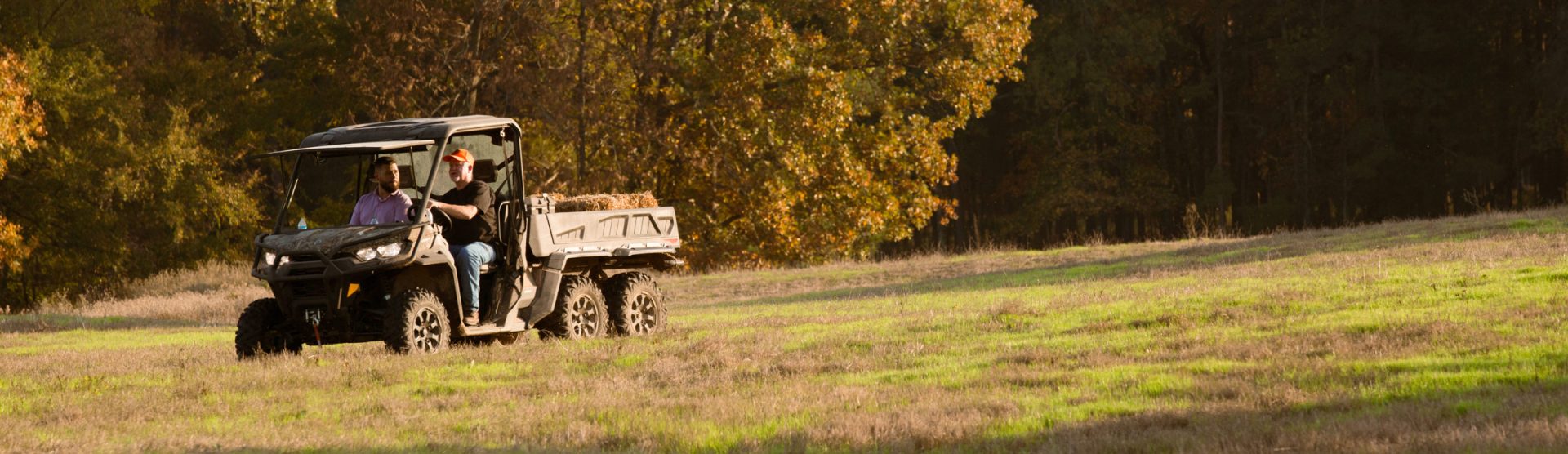
Rural Access to Utilities & Setting Up Utilities for Raw Land
Not all rural properties are pre-equipped with utilities like they are in urban environments. Check if there is an existing connection, and if not, contact local utility providers for an estimate of how long it would take and how much it would cost to bring utilities to the site. Depending on how far the lines have to be run, this can be a significant expense.
Water will be essential, so if the property has a well, get it inspected and test the water quality for bacteria, nitrates, and flow rate. You can learn more about water rights in Texas and New Mexico here.
For heating and cooking, verify if natural gas is available or if you will need to rely on alternative options like propane. On the flip side, you also need to be aware of any gas line easements running across your property since there are building and usage restrictions around them.
One utility people often overlook at first is connectivity for internet and cell phone coverage. Rural areas often have limited service, so we recommend checking for cell service availability and potential options for high-speed internet, such as satellite or fiber, if you plan to work from home or use streaming services.
In cases where a property has previously been used for the storage of hazardous materials or waste, you should conduct a Phase I Environmental Site Assessment to check for potential contamination from previous land uses. This is also an optimal time to check FEMA maps for flood zone risks.
Lastly, contact your local planning or zoning department to ensure your intended use for the property, such as residential or agricultural, is permitted and to understand the requirements for obtaining building permits.
Your local AgTrust team can help you every step of the way, connecting you with experts to ensure the property you think you’re buying is the property you get. Fill out the form below or contact us today, so you can ride off into the sunset on your newly acquired rural land that has everything you need.