Texas Wildlife Management Valuation: Keep Your Taxes Low, Legally
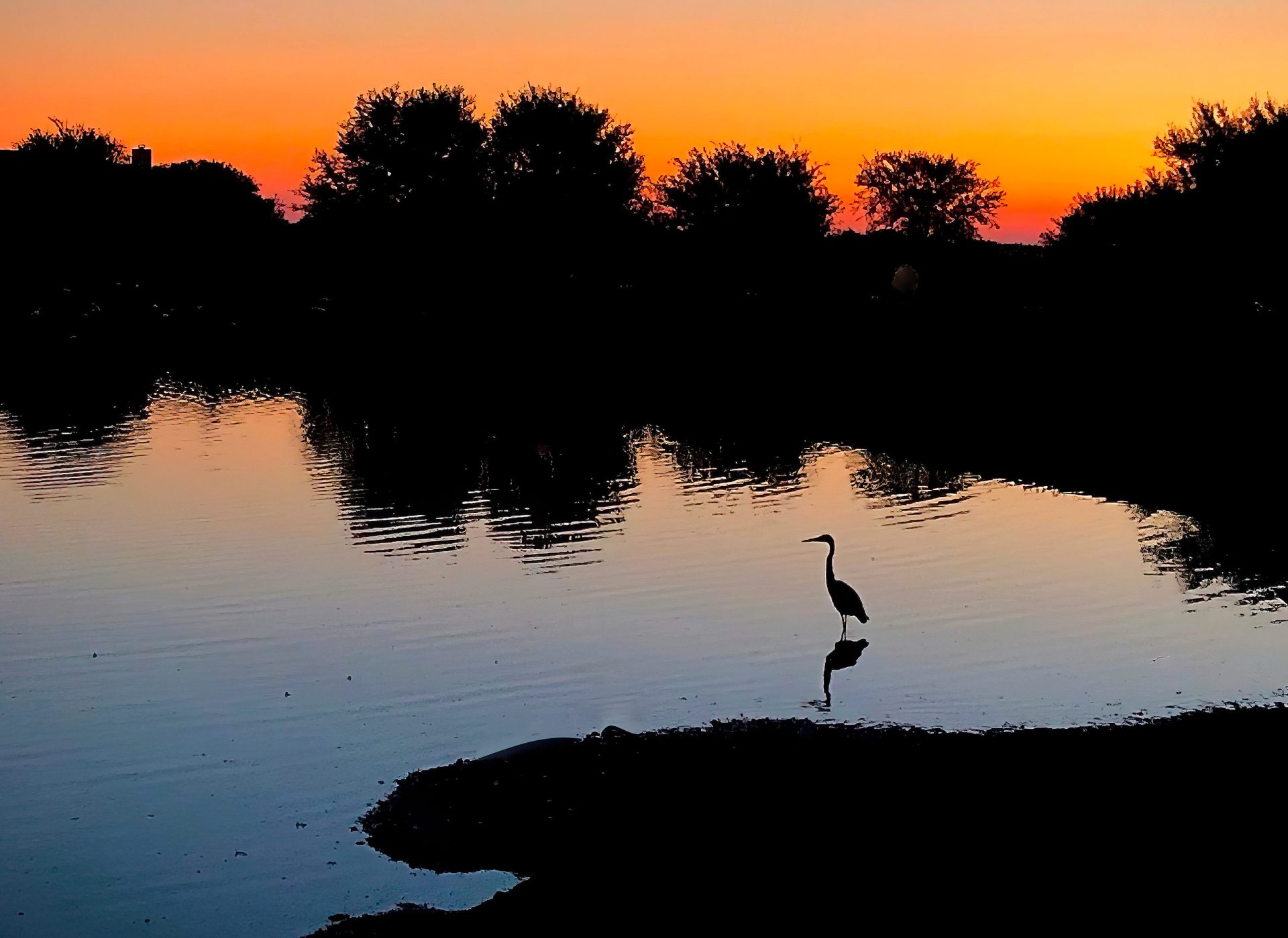
The Wildlife Management Valuation (WMV) in Texas is a special valuation method that results in reduced property taxes for certain rural landowners that actively manage their land for the benefit of native wildlife, in lieu of traditional agricultural production, like farming or ranching. This program helps to promote conservation and wildlife preservation. For landowners, this is great news — because property taxes are based on the land’s productivity value rather than its generally much higher market value.
To help our clients save potentially thousands in property taxes each year, we go above and beyond to assist with the WMV process. Here’s what you should know when looking to buy rural property and what to do after closing.
How to Obtain a Wildlife Management Valuation
Any indigenous wild animal species native to Texas can help you qualify for this money-saving tax break. That includes mammals like white-tailed deer, javelinas, and mountain lions; birds like wild turkeys, quail, and roadrunners; reptiles and amphibians; and even invertebrates like butterflies.
If your property is home to critters like these, here are your next steps.
- Meet the initial criteria: The property must have qualified for the open space valuation method (sometimes called the 1-d-1 appraisal method) or timber appraisal method for at least a year at the time you convert to wildlife management.
- Develop a wildlife management plan: A written plan, often drafted with the help of a wildlife biologist, is required to outline the management objectives, target wildlife species, and planned activities. The plan must be consistent with standards set by the Texas Comptroller and Texas Parks and Wildlife Department (TPWD) for your specific ecoregion.
- Submit the application: File the necessary forms with your county’s appraisal district. The annual deadline is typically April 30.
-
Implement required practices: Perform at least three of these seven categories of wildlife management practices annually:
- Habitat control
- Erosion control
- Predator control
- Supplemental water
- Supplemental food
- Supplemental shelter
- Census counts
- Maintain detailed records: Keep thorough records of the activities performed each year, including dates, locations, and receipts. The appraisal district may request an annual report or a site visit to verify compliance.
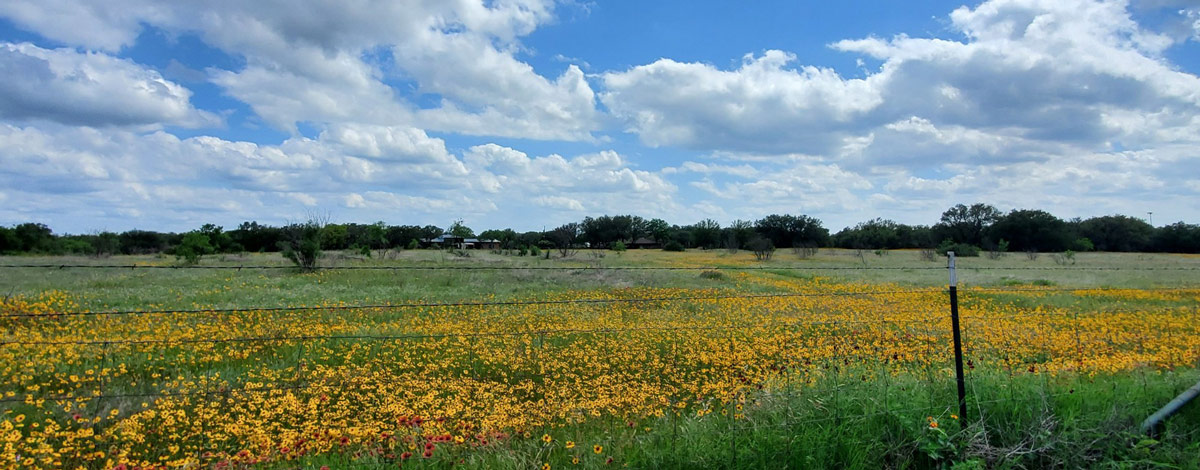
AgTrust Looks Out for Your WMV Status
With significant tax implications from gaining — or losing — WMV status, we ensure our clients are aware of important factors affecting their ability to qualify.
Depending on county and ecoregion, minimum acreage standards may apply, so we’ll help you confirm if your property meets the threshold. As experienced rural lenders, we know that WMV does not transfer from the seller, so once you sign on the dotted line, we will remind you to fill out the paperwork right away, especially since there is a single application deadline each year. These reminders are essential because we don’t want our clients to incur unexpected property taxes at a much higher rate if the WMV status lapses.
We also make sure buyers are aware of the roll-back tax. If a new buyer changes the use of agricultural land to develop it for residential or commercial purposes, the land is then subjected to a roll-back of property tax for the previous five years based on its market value, plus 5% interest that can be charged for each year from the date the property taxes would have been due.
Ready for a Tax Break on Your Land?
AgTrust prides ourselves on proactively helping our clients understand the WMV and ensuring they take all the steps to maintain that status on a newly purchased property. You can find the WMV application here, and we can connect you with local experts if you need additional assistance. We also recommend talking to your CPA for more detailed tax advice.
Have more questions or ready to start saving big on the property tax bill for your next property? Drop us a line or fill out the form below — we’re happy to help you and our local wildlife!